2026 Top Tire Fluid Suppliers for Global Buyers?

As global buyers plan 2026 sourcing, supplier selection demands more than attractive pricing. Tire fluid may support puncture protection, maintenance efficiency, or workshop productivity, depending on its formulation. Yet product names vary widely across markets. A reliable comparison must examine chemistry, application method, shelf life, packaging, and verified performance. It should also separate documented evidence from confident marketing language. That distinction matters.

This overview introduces leading tire fluid suppliers for international purchasing teams, distributors, fleet operators, and service networks. It considers manufacturing experience, technical support, quality controls, and export readiness. Key checks include batch consistency, safety data sheets, labeling, storage guidance, and compatibility with common tire materials. Buyers should request independent test results when available. Factory audits can reveal practical details, such as clean filling lines, traceable batch codes, and controlled warehouse temperatures. Certifications help, but they do not replace product-specific validation. This is where comparisons often become difficult.

Regional conditions also influence purchasing decisions. A formula suited to mild workshops may behave differently during cold transport or high summer heat. Buyers should clarify container sizes, minimum order quantities, lead times, payment terms, and after-sales response. Responsible suppliers explain limitations instead of promising universal results. Still, no supplier list remains perfect. Formulations change, documentation can lag, and market reputations may be uneven. Treat this guide as a practical starting point, then confirm current specifications directly with manufacturers. Careful sampling and field trials can reduce costly surprises before larger orders. The strongest choice balances evidence, service, compliance, and real operating conditions.
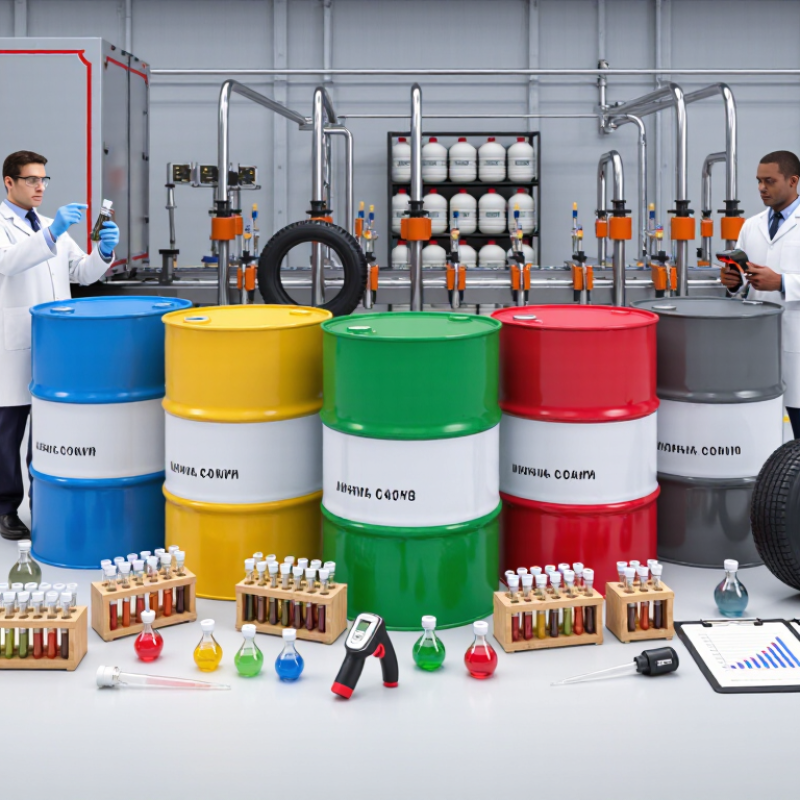
2026 Top Tire Fluid Suppliers for Global Buyers?

What Is Tire Fluid and Why Does It Matter in 2026?

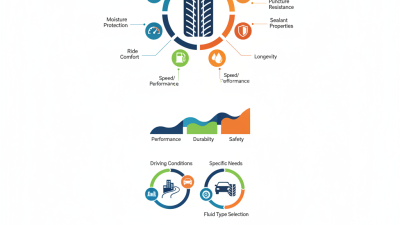
Tire fluid is an umbrella term for liquid sealants, emergency inflation fluids, and balancing compounds used inside tires. It is not the same as tire dressing. For global buyers, the specification matters more than the label. Check puncture size, temperature range, TPMS compatibility, shelf life, and removal requirements. Some formulas work well in passenger cars but perform poorly in heavy-duty applications. The distinction is easy to miss.

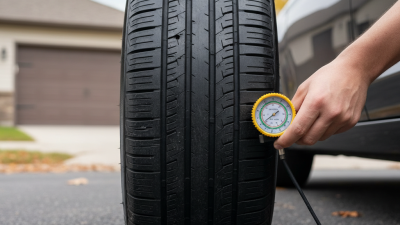
Its value is practical. The U.S. Department of Energy’s 2025 Fuel Economy Guide states that tires underinflated by 1 psi can reduce fuel economy by about 0.2 percent. A larger pressure loss may reduce efficiency by nearly 3 percent. NHTSA tire-safety guidance also links poor inflation maintenance with tire failure risks. Fluid cannot correct worn tread or damaged sidewalls. It only supports a limited repair situation.

Recent aftermarket reports show continued demand for preventive vehicle maintenance, especially in commercial fleets. Buyers should request laboratory data, batch traceability, and clear storage instructions from suppliers. Independent testing is useful, but it is not always comparable. I would not trust a dramatic claim without test conditions. Real performance depends on tire size, climate, driving speed, and puncture location. In 2026, responsible sourcing means treating tire fluid as a technical maintenance product, not a quick miracle.

Which Tire Fluid Types Serve Different Vehicle and Climate Needs?

Tire fluid selection should follow vehicle use, tire construction, and local weather. Emergency sealants suit passenger cars facing small tread punctures. They can restore mobility long enough to reach a repair facility.

Preventive sealants are different. They remain inside the tire and may reduce slow leaks, but results vary. For commercial vans and trucks, suppliers should provide load guidance, valve compatibility, and cleaning instructions.

A liquid balancing compound may help some heavy tires rotate more smoothly under changing loads. It cannot replace correct mounting or wheel alignment.

Cold climates demand formulas that remain pumpable below freezing.

Hot regions need stable viscosity and low evaporation inside heated tires.

Humid roads also raise corrosion concerns around rims and valve cores.

Drivers using tire-pressure monitoring sensors should confirm sensor safety before filling. Electric vehicles deserve extra care because added weight and instant torque can stress tires.

A reliable supplier shares technical data, shelf life, batch testing, and disposal guidance. Ask for a small sample before a fleet purchase. That step sounds basic. It prevents expensive surprises.

Field claims may not match dusty roads, overloaded cargo, or repeated temperature swings. Practical trials should record pressure loss, cleanup time, and puncture performance.

The best choice is often less dramatic, but easier to inspect and use correctly.

How to Evaluate Global Tire Fluid Suppliers and Product Quality

Choosing the right tire fluid supplier in 2026 requires more than comparing prices. Global buyers should examine product performance, factory controls, and communication quality.

Request a current technical data sheet and safety data sheet. Check viscosity, operating temperature, shelf life, pH, and material compatibility. These details affect storage, pumping, and tire service. Ask for batch numbers and test records. Reliable suppliers should explain how each batch is inspected. They should also provide samples for controlled workshop testing.

Test the fluid on several tire sizes and valve types. Observe leakage, drying, residue, odor, and application time. A product may perform well in one climate but separate in freezing conditions. Check its behavior after heat exposure and repeated movement. Inspect the packaging for clear labels, sealed caps, and readable dates. Small defects matter.

Supplier audits add useful evidence. Review production cleanliness, calibration records, complaint handling, and traceability procedures. Confirm whether the supplier can maintain consistent quality during large orders. Delivery history also deserves attention, especially for ports, customs documents, and temperature-sensitive storage. Do not trust polished brochures alone. A supplier can pass a document review and still fail in practice. I have learned that sample testing sometimes reveals uneven texture or unclear instructions. That is uncomfortable, but valuable. Keep written test results, photographs, and approval criteria before signing a long-term agreement.

What Regulations and Certifications Govern International Tire Fluid Trade?

For global buyers, tire fluid compliance begins with exact product classification. Sealants, mounting fluids, and balancing compounds may follow different regulatory pathways. Under the EU REACH framework, suppliers must assess substance registration duties and restricted ingredients. The CLP Regulation governs hazard classification, labels, and packaging. Hazardous mixtures may also require a UFI and poison-centre notification. Local-language safety data sheets are essential.

Transport rules depend on the formula and package size. A flammable or corrosive mixture can trigger ADR, IMDG, or IATA requirements for road, sea, or air shipments. Buyers should request a current SDS, transport classification, composition statement, and batch-specific test records. Check the product label against the SDS. Small differences matter. A missing hazard symbol can delay customs clearance.

Certification claims need careful review. ISO 9001 can support quality management, but it does not certify chemical safety or legal market access. Some markets request laboratory reports for viscosity, freezing resistance, corrosion effects, or tire-rim compatibility. Testing should use defined methods and traceable samples. In supplier audits, buyers often inspect retained batches, calibrated equipment, and complaint records. Certificates can expire. Documents can also describe an older formula. That weakness is easy to overlook. Importers remain responsible for checking national rules, language requirements, packaging limits, and recycling obligations before shipment.

How Can Global Buyers Compare Prices, Logistics, and Supplier Support?

Global buyers comparing tire fluid suppliers should measure landed cost, not only the quoted drum price. A lower offer may exclude export packaging, port handling, insurance, or inland delivery. Request a complete quotation with currency, payment terms, minimum order quantity, production lead time, and validity period. Then compare the cost per usable kilogram. Small details matter. A damaged pallet can erase the savings.

Logistics should match your storage and sales schedule. Ask whether the supplier can provide leak-resistant containers, batch traceability, safety data, and clear labeling. Confirm the loading method, pallet dimensions, container capacity, and estimated transit time. Experienced suppliers usually explain delays before they happen. Still, forecasts are imperfect. Weather, port congestion, and customs inspections can change arrival dates. Build a practical buffer instead of trusting the shortest promise.

Tips: Create a simple comparison sheet with product cost, freight, duties, insurance, handling, and expected losses. Test one sample batch before placing a large order. Check viscosity, sealing performance, odor, shelf life, and packaging after transport. Supplier support also deserves a score. Measure response time, technical guidance, replacement procedures, and communication quality. One overlooked issue is after-sales language support. A fast answer is useful only when the instructions are clear. Ask for references from comparable markets, but verify them independently.