
7 Best TPMS Service Kits for Global Buyers

Choosing the right tpms service kit can prevent small valve problems from becoming expensive tire-service delays. For global buyers, the best kit must offer more than a crowded plastic case. It should include dependable valve cores, seals, nuts, caps, and torque tools. Compatibility matters just as much. A kit designed for one sensor family may not suit another vehicle platform.

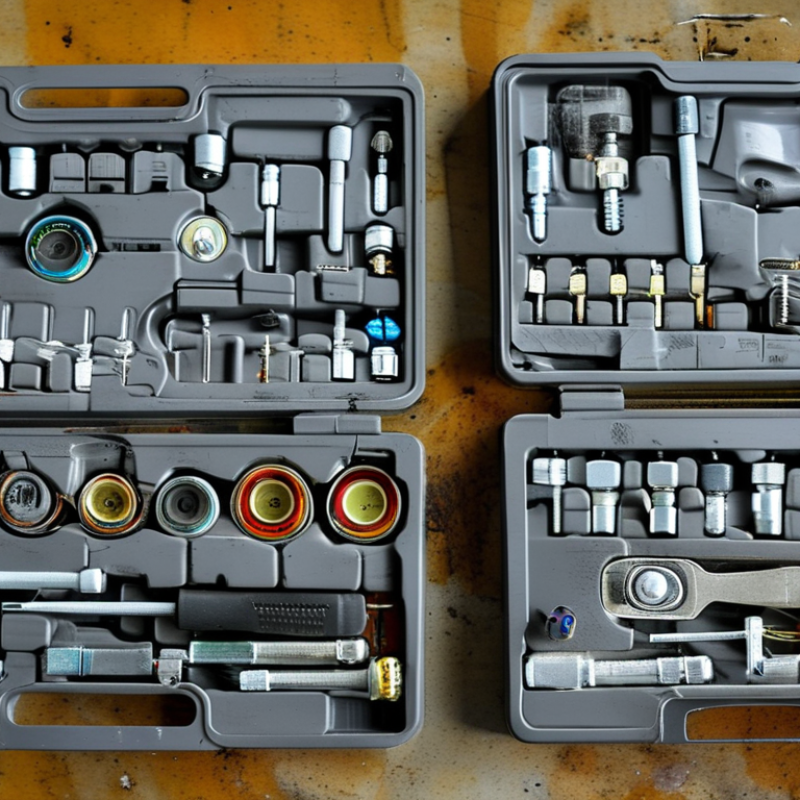
This guide examines seven practical TPMS service kits for workshops, distributors, mobile technicians, and serious vehicle owners. Each option is considered through real service needs, including component quality, sensor compatibility, tool accuracy, packaging, replacement availability, and ease of storage. A technician working beside a dusty roadside needs a different solution from a high-volume service center. Both deserve reliable equipment.

Small details count.

A properly sized seal can reduce air-loss risks. A clear torque specification can prevent damaged sensor threads. Organized compartments can save several minutes per wheel. These advantages may appear minor, but repeated service quickly exposes weak designs. Product claims also require caution. Manufacturer information is useful, yet hands-on inspection and user feedback often reveal missing parts, brittle rubber, or confusing fitment charts.

No single kit is perfect for every market. Some kits provide broader coverage, while others deliver better value for common sensor brands. My assessment may favor practical workshop use over impressive packaging, and that choice deserves reflection. Buyers should verify vehicle fitment, regional supplier support, and replacement-part access before ordering. The following seven selections aim to provide a balanced, evidence-based starting point for dependable TPMS maintenance worldwide.
7 Best TPMS Service Kits for Global Buyers

What a TPMS Service Kit Is and Why Global Buyers Need One

A TPMS service kit contains the small parts needed to maintain a tire pressure monitoring sensor. Typical contents include valve cores, caps, seals, grommets, nuts, and sometimes replacement valve stems. These parts protect the sensor from air leaks, corrosion, and repeated tire servicing. A complete kit is not merely a box of spare pieces.

Global buyers need one because vehicles, wheel designs, and service standards vary across markets. A kit suitable for one sensor type may not fit another. Thread size, valve material, sealing shape, and torque requirements deserve careful checking. Climate matters too. Humid coastal regions can accelerate corrosion, while cold markets may expose weak seals quickly. A reliable supplier should provide material details, fitment data, inspection records, and clear packaging information. Still, paperwork can be incomplete. Buyers should verify samples before placing large orders.

Tips: Match every part with the sensor and wheel specification. Check rubber hardness and metal finish. Keep kits sealed and dry during storage. Ask for batch traceability and replacement guidance. A practical inspection includes thread engagement, seal condition, and valve-core movement. Do not overtighten small components. That mistake is easy to make. It can damage the seal or sensor body. Also, review local vehicle requirements before shipment, because a widely used part may not suit every regional application.

7 Best TPMS Service Kits for Global Buyers

What a TPMS Service Kit Is and Why Global Buyers Need One

A TPMS service kit typically includes valve cores, air caps, sealing grommets, hex nuts, and retaining screws. The chart shows the typical quantity needed to service four wheels, with one replacement set used per wheel. Global buyers should confirm valve-stem compatibility, thread specifications, sensor design, and local vehicle requirements before purchasing.

Key Components Found in a Complete TPMS Service Kit

7 Best TPMS Service Kits for Global Buyers

Key Components Found in a Complete TPMS Service Kit

A complete TPMS service kit should match the sensor, valve design, and vehicle application. Core parts include a valve core, sealing grommet, metal washer, retaining nut, valve cap, and replacement screw. Some kits also include a sensor body, battery, programming tool, and torque guidance. Small parts matter. A damaged grommet can cause a slow leak after installation.

Workshop technicians should check thread size, valve angle, material, and pressure ratings before fitting a kit. An accurate torque wrench prevents crushed seals and loose nuts. Many kits include a dedicated valve-core tool, but its quality varies. That detail is easy to overlook. For global buyers, packaging should state measurement units, frequency compatibility, operating temperature, and supported vehicle categories.

The U.S. National Highway Traffic Safety Administration reported a 55.6% reduction in severely underinflated tires after TPMS adoption. This finding appears in its FMVSS No. 138 Final Rule analysis, published in 2005. Proper servicing supports that safety benefit. However, replacement parts are not automatically universal. European UNECE Regulation No. 141 also emphasizes reliable pressure monitoring and malfunction warnings. In practice, rushed installation remains a weakness. A complete kit may contain every part, yet poor sealing or incorrect torque can still create trouble.

How to Match a Kit With Different TPMS Sensor Types

Matching a TPMS service kit starts with identifying the sensor, not the vehicle badge. Direct systems use a pressure sensor inside each wheel. Some use a rubber snap-in valve. Others use a metal clamp-in valve with a separate seal. Indirect systems use wheel-speed data and normally need no valve service kit. This distinction prevents wasted parts and incorrect repairs. Check the valve.

For a snap-in sensor, choose the exact rubber grommet, valve core, cap, and retaining nut specified for that sensor. A clamp-in sensor may require a metal valve, sealing washer, screw, and sensor-specific torque. Do not mix thread sizes. A small mismatch can damage threads or cause leakage.

For programmable universal sensors, confirm vehicle coverage, operating frequency, valve angle, and programming method. Regional frequency requirements can differ, so verify local specifications before ordering.

In workshop checks, I inspect the old valve for flattened seals, corrosion, and damaged threads. I also inflate the tire and test for bubbles around the stem. A kit that fits on paper can still fail when the rim hole is worn. I once focused too heavily on sensor compatibility and overlooked the valve angle. The installation worked, but access was poor. That mistake remains useful. Match the kit to the sensor body, rim, and service procedure, then confirm leakage and relearn requirements. Some catalogs are unclear. Ask for dimensional drawings and torque data instead of guessing.

Seven Leading TPMS Service Kits for International Use

For international buyers, the seven leading TPMS service kits are defined by coverage, accuracy, and practical contents. A dependable kit should include valve cores, seals, grommets, caps, nuts, and service screws. Some kits also provide a calibrated torque tool. That small tool matters. Over-tightening can damage a sensor or create a slow leak. Experienced technicians should compare thread sizes, rubber materials, and valve angles before ordering. Vehicle compatibility lists must be checked carefully, because regional models may use different assemblies.

Tips: Keep one kit for passenger cars and another for light commercial vehicles. Store seals away from heat and sunlight. Test the torque tool regularly. A clear parts tray prevents missing tiny components during roadside work. I would also record each replacement, including valve type and tightening torque. It takes minutes, but it reduces repeated fitting errors. Not every universal kit is truly universal.

For global workshops, the best seven options should support common direct TPMS layouts and varied climate conditions. Look for corrosion-resistant metal parts, durable rubber seals, and neatly labeled compartments. Packaging should protect components during long-distance shipping. Service instructions need clear diagrams and simple measurement details. Reliable suppliers should provide batch information and responsive technical support. In practice, even a high-quality kit can fail when an incorrect seal is selected. That is why fitment verification remains more important than the number of included pieces. Inspect every part before installation.

How to Choose, Use, and Maintain a TPMS Service Kit

7 Best TPMS Service Kits for Global Buyers

How to Choose, Use, and Maintain a TPMS Service Kit

A reliable TPMS service kit should match your vehicle’s valve design, sensor type, and service requirements. Check the contents carefully. A useful kit usually includes valve cores, seals, caps, nuts, washers, and a torque tool. Some kits look complete but lack small replacement parts. That mistake can delay a repair. Choose corrosion-resistant components and clearly labeled sizes. For international buyers, confirm thread standards and packaging details before ordering. Vehicle manuals and professional service data remain better references than guesswork.

Tips: Keep a vehicle-specific checklist nearby. Replace damaged seals. Do not reuse crushed grommets. Tighten parts with the recommended torque, not instinct. A small torque error can cause leakage or sensor damage. After installation, test tire pressure and confirm that the warning system responds correctly. I once trusted a visual inspection too much; the valve appeared secure, but a slow leak appeared later. Testing matters.

Store the kit in a dry, organized case. Separate metal parts from rubber seals, and keep the torque tool protected from moisture. Inspect unused components every few months. Rubber can harden during long storage, especially in hot warehouses. Record replaced parts and test results for future service. Maintenance may feel excessive, but it improves consistency and reduces repeat work. When instructions conflict, pause and verify the vehicle procedure through a qualified technical source.

7 Best TPMS Service Kits for Global Buyers - How to Choose, Use, and Maintain a TPMS Service Kit
Rank TPMS Service Kit Type Best Use Case Typical Contents Compatible Valve Types Material and Finish Recommended Torque Range Portability Maintenance Level Key Selection Advantage
1
Universal Complete TPMS Kit
All-round choice
General tire workshops, mobile service teams, and mixed vehicle fleets. Torque wrench, valve-core tool, nut driver, seal and grommet tools, replacement cores, caps, grommets, and storage case. Snap-in rubber valves and clamp-in metal valves used on passenger cars and light commercial vehicles. Chrome-plated steel tools with corrosion-resistant aluminum and rubber service parts. Commonly 2–8 N·m for sensor nuts and valve hardware; always follow the sensor maker’s specification. Medium; suitable for a workshop drawer or mobile case. Low to medium; inspect seals and calibrate the torque tool periodically. Provides the broadest coverage without requiring separate specialty tools.
2
Digital Torque TPMS Kit
Precision work
Professional installers handling sensor replacement and repeated service operations. Digital torque wrench, interchangeable sockets, bit set, valve-core remover, and calibration reminder card. Most common metal clamp-in and rubber snap-in sensor assemblies. Hardened steel drive components with a digital display and replaceable batteries. Usually adjustable from approximately 1–10 N·m, depending on the tool model. Medium; compact but requires protection from moisture and impact. Medium to high; verify battery condition and torque calibration at scheduled intervals. Reduces the risk of overtightening, thread damage, air leaks, and distorted sensor bodies.
3
Passenger-Car Rubber Valve Kit
Fast replacement
High-volume passenger-car tire service and routine valve replacement. Valve puller, valve-core tool, insertion tool, replacement rubber valves, cores, caps, and grommet lubricant. Standard snap-in rubber TPMS valves with serviceable valve cores. Glass-filled nylon or steel hand tools with EPDM rubber replacement valves. Hand tools are normally non-torque-limiting; use a separate calibrated torque tool for threaded hardware. High; lightweight and easy to carry between service bays. Low; keep rubber parts sealed, clean, and protected from ultraviolet exposure. Efficient for routine rubber-valve servicing and economical for large service volumes.
4
Metal Clamp-In Valve Kit
Metal valve focus
Vehicles equipped with aluminum clamp-in valves, alloy wheels, or exposed metal sensor stems. Deep socket, counter-hold tool, valve-core remover, torque wrench, washers, grommets, nuts, and caps. Clamp-in aluminum or steel valve assemblies with threaded retaining nuts. Anodized aluminum service parts, plated steel sockets, and elastomer sealing washers. Typically around 4–8 N·m for retaining nuts, but the exact value varies by sensor design. Medium; the deep socket and torque tool add weight. Medium; replace crushed washers and inspect threads after every removal. Helps prevent leaks and galvanic corrosion when metal valve hardware is serviced correctly.
5
Heavy-Duty and Commercial Vehicle Kit
Fleet service
Light trucks, vans, trailers, buses, and commercial fleet maintenance. Long-reach valve tools, heavy-duty core remover, larger sockets, torque tool, seals, caps, and reinforced case. Heavy-duty clamp-in valves and selected high-pressure commercial tire assemblies. Heat-treated steel tools with reinforced handles and high-load sealing components. Often 5–15 N·m for service hardware; confirm the vehicle and sensor specifications before installation. Low to medium; designed for durability rather than minimum size. Medium; clean threads, inspect tool wear, and keep spare seals available. Better leverage, reach, and durability for larger wheels and demanding operating conditions.
6
Portable Emergency TPMS Kit
Roadside use
Roadside assistance, traveling technicians, and emergency tire repairs. Compact valve-core tool, mini torque driver, valve caps, cores, grommets, replacement nuts, and zippered pouch. Common snap-in valves and selected clamp-in service parts. Compact steel or reinforced polymer tools with basic weather-resistant components. Usually about 2–6 N·m with a compact torque driver; verify the range before use. Very high; fits in a glove compartment, roadside case, or service backpack. Low; protect from water, dirt, and extreme heat during storage. Provides essential tools and consumables when a full workshop kit is not available.
7
Workshop Modular TPMS Kit
Expandable system
Repair centers that need to add vehicle-specific tools and consumables over time. Base hand-tool set, adjustable torque wrench, interchangeable sockets, valve tools, labeled storage trays, and refill compartments. Snap-in and clamp-in valves, with optional modules for specialty wheels and commercial applications. Professional steel tools, replaceable bits, and modular organizers with impact-resistant cases. Commonly 2–10 N·m for the base torque tool; specialty modules may require separate torque equipment. Medium; storage size depends on the selected modules. Medium; maintain tool calibration and replace individual worn modules instead of the full kit. Offers flexible expansion and reduces duplicate purchases as service requirements grow.

Use and maintenance reminder: Confirm the vehicle, wheel, sensor, and valve specifications before service. Use a calibrated torque tool for threaded TPMS hardware, replace damaged sealing components, keep valve cores and caps clean, and check the finished assembly for air leaks.