What Are the Best Tire Pressure Sensors for Your Vehicle?
Tire pressure sensors play a critical role in vehicle safety and performance. They continuously monitor tire pressure, alerting drivers to any harmful changes. Choosing the best sensors can significantly impact your driving experience.
With various models available, knowing which tire pressure sensors to trust is essential. Factors such as accuracy, durability, and compatibility must be considered. For instance, some sensors might provide real-time data, while others may have delayed responses.
Selecting the right sensor can sometimes feel daunting. Users often overlook important features or prioritize cost over quality. Relying on accurate tire pressure sensors ensures optimal tire performance and enhances fuel efficiency. Inadequate monitoring can lead to dangerous situations, reinforcing the need for careful choice.
Understanding Tire Pressure Sensors: Types and Functions
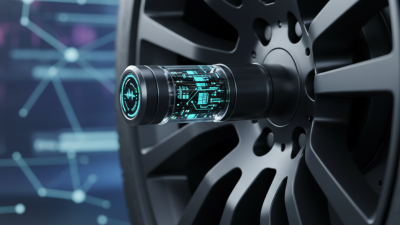
Tire pressure sensors are essential for vehicle safety. They monitor tire pressure and alert drivers when levels are too low. Understanding the types of sensors can help you choose the right one. There are two primary types: direct and indirect tire pressure monitoring systems (TPMS). Direct TPMS uses sensors mounted in the tire to provide real-time pressure readings. Indirect TPMS estimates tire pressure based on wheel speed sensors.
According to the National Highway Traffic Safety Administration (NHTSA), properly inflated tires can improve fuel efficiency by up to 3%. This emphasizes the need for reliable tire pressure sensors. However, many drivers overlook the importance of maintenance. Sensors can become faulty or inaccurate over time. Regular checks ensure that your sensors are functioning correctly.
A study by the American Automobile Association (AAA) revealed that nearly 30% of vehicles have at least one tire under-inflated. This statistic underscores the risks associated with poor tire maintenance. Drivers must be proactive. Ignoring low tire pressure can lead to blowouts and reduced handling. While technology helps, understanding the functions of tire pressure sensors is crucial for safety on the road.
How Tire Pressure Sensors Work in Modern Vehicles
Tire pressure sensors play a vital role in modern vehicle safety. They monitor tire pressure in real-time, allowing drivers to maintain optimal levels. Studies show that maintaining correct tire pressure can improve fuel efficiency by up to 3.3%. This not only saves money but also reduces carbon emissions.
In essence, tire pressure monitoring systems (TPMS) detect pressure fluctuations. When the pressure drops below a specific threshold, the system triggers a warning light on the dashboard. This quick feedback loop helps prevent blowouts and enhances driving safety. According to a report by the National Highway Traffic Safety Administration (NHTSA), proper tire inflation can enhance handling and extend tire life by an average of 25%.
Tip: Regularly check your tire pressure at least once a month. Use a reliable gauge to ensure accuracy. Keeping tires inflated to the recommended PSI also improves vehicle handling and stability.
Another point to consider is the potential for sensor malfunction. Faulty sensors may lead to false warnings, creating unnecessary stress. Regular diagnostic checks can help identify issues before they become serious. It’s crucial to remain aware of your vehicle’s sensor functionality for maximum safety and performance.
Top Features to Look for in Tire Pressure Sensors
When selecting tire pressure sensors, consider several key features.
Accurate pressure readings are essential. Look for sensors that provide real-time data.
Sensors should be able to monitor both over-inflation and
under-inflation. This ensures your tires remain safe and efficient.
Another important factor is durability. Tire pressure sensors must withstand harsh conditions.
They should resist temperature fluctuations and moisture. A reliable sensor will have a long lifespan.
Check the battery life as well, as a short battery can lead to malfunctions.
User-friendly technology is crucial. Sensors should be easy to install and integrate with your vehicle's system.
Some models offer smartphone connectivity. This allows for easy monitoring on-the-go.
However, compatibility issues can arise, so verify before purchasing.
Always reflect on the importance of regular tire maintenance.
Sensors aid in maintaining optimal tire health, which can prevent costly repairs
or accidents.
Reviews of the Best Tire Pressure Sensors in the Market
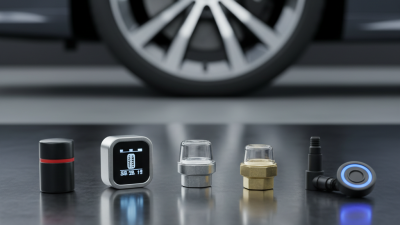
When selecting tire pressure sensors, accuracy is crucial. A recent industry report indicated that nearly 25% of drivers do not check their tire pressures regularly. This neglect can lead to decreased fuel efficiency and increased tire wear. Quality tire pressure sensors can help mitigate these issues by providing real-time readings. The range of sensors varies, from basic models to advanced systems with smartphone connectivity.
Installation significantly impacts sensor effectiveness. Some sensors are easier to install than others. Complicated installation may discourage proper usage, leading to the same tire pressure problems. According to consumer reports, sensors that require professional installation had nearly a 40% higher failure rate due to improper setups. Thus, user-friendly features are vital in ensuring the effectiveness of these devices.
A balance between cost and reliability is necessary. While cheaper sensors might seem tempting, they often lack comprehensive durability. An industry analysis found that more expensive sensors performed 30% better over time. However, many users overlook long-term investment benefits for initial affordability. Choosing the right sensor hinges on this ongoing struggle between immediate savings and future costs.
Comparison of Tire Pressure Sensors Features
Installation and Maintenance Tips for Tire Pressure Sensors
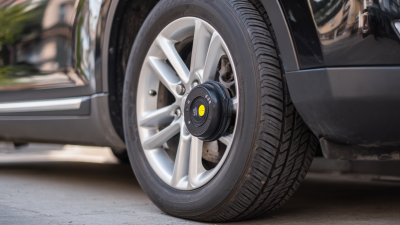
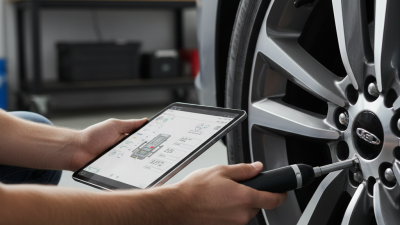
When it comes to tire pressure sensors, proper installation is crucial for accuracy. Start by familiarizing yourself with your vehicle’s specific requirements. Check the sensor's compatibility with your tires. If you are unsure, consult the user manual. Installation typically involves removing the tire. Be careful not to damage the sensor during mounting. Most sensors attach to the valve stem. A secure fit is essential to avoid air leaks.
Regular maintenance is vital for longevity. Check the battery life of each sensor. If the battery is low, it may affect readings. Many sensors will notify you when it’s time for a replacement. Keep an eye on your tire pressure regularly. If readings seem off, inspect your sensors for dirt or corrosion. Cleaning them can improve performance. Be prepared for some trial and error; achieving the right balance may take time. Reviewing installation manuals or online resources can provide additional guidance.
What Are the Best Tire Pressure Sensors for Your Vehicle? - Installation and Maintenance Tips for Tire Pressure Sensors
| Sensor Type |
Accuracy |
Battery Life |
Compatibility |
Price Range |
| Direct TPMS |
±1 PSI |
5-10 years |
Most modern vehicles |
$50 - $100 |
| Indirect TPMS |
Based on wheel speed |
N/A |
Compatible with older models |
$25 - $75 |
| Smart Sensors |
±0.5 PSI |
8-12 years |
Most vehicles with OBD-II |
$60 - $120 |