Choosing the 10 best tire TPMS sensors for global buyers requires more than comparing prices and online ratings. Sensor compatibility can vary by vehicle model, production year, frequency, valve design, and relearn procedure. A sensor that works smoothly on a European sedan may fail to communicate with a North American pickup. Small details matter. So does installation experience.
The U.S. National Highway Traffic Safety Administration has reported approximately 11,000 tire-related crashes annually, highlighting the practical value of accurate pressure monitoring. NHTSA’s TPMS rule also established performance requirements for many passenger vehicles sold in the United States. In Europe, UNECE Regulation No. 141 provides a technical framework for tire-pressure monitoring systems. These sources offer a stronger foundation than marketing claims alone. The Tire Industry Association also emphasizes correct inflation, inspection, and service procedures in professional training materials.
This guide evaluates sensor accuracy, vehicle coverage, wireless protocols, battery life, valve durability, temperature resistance, and programming support. It also considers workshop realities, including cold mornings, damaged valve stems, and limited diagnostic equipment. Some premium sensors are not the best universal choice. A lower-cost model may perform well, but only with verified compatibility and proper calibration. No ranking is perfect. Regional catalogs change, firmware support can be inconsistent, and manufacturer data is sometimes incomplete. Buyers should confirm the part number before installation. The best tire tpms sensor is the one that communicates reliably, fits securely, and remains serviceable in the buyer’s market.
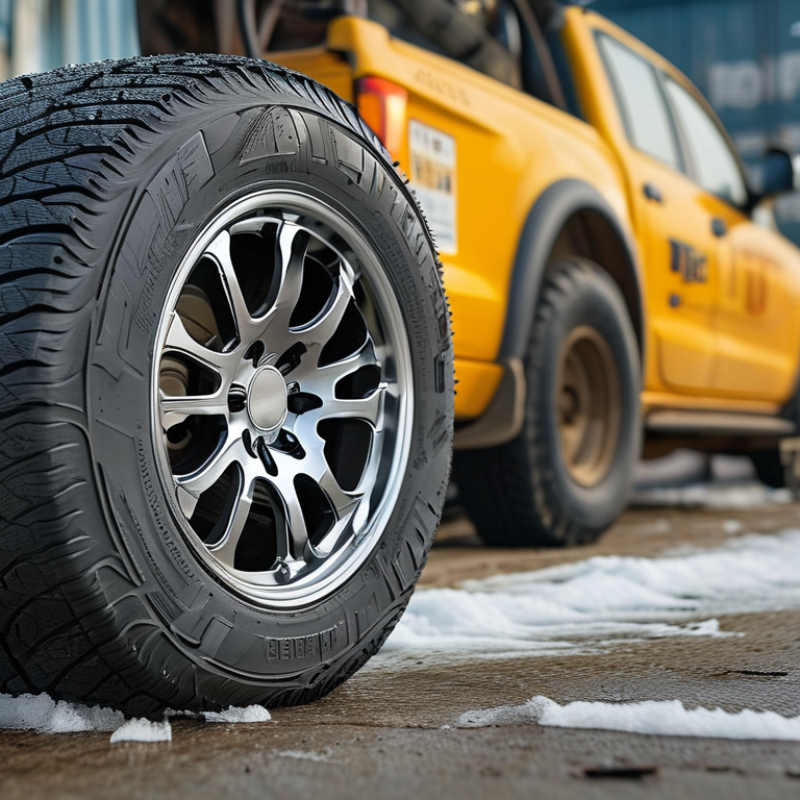
TPMS sensors are small devices fitted inside or near a tire valve. They measure air pressure and sometimes tire temperature. Their readings reach the vehicle’s dashboard, helping drivers notice dangerous pressure loss early. This matters worldwide because roads, climates, loads, and driving habits vary greatly. A direct sensor measures pressure inside each tire. An indirect system estimates pressure through wheel-speed changes. Neither method replaces a manual check. Check pressure manually.
A practical inspection often reveals problems before the warning light appears. A slow leak may develop over several days, especially after a valve becomes damaged. Cold mornings can lower readings. Hot roads can increase them. Global buyers should confirm sensor frequency, valve design, battery life, and vehicle compatibility before purchasing. Service records and independent fitment data are more reliable than a generic product description. The correct sensor must also support the vehicle’s relearning procedure.
Installation quality matters. After replacement, the system may need programming, calibration, or a short drive. A poorly sealed valve can create a new leak, which defeats the sensor’s purpose. Some low-cost options appear attractive, but uncertain data accuracy creates extra risk. Still, premium pricing alone proves little. That is worth remembering. I would compare testing evidence, warranty terms, technical support, and replacement availability in the destination market. Not every warning means sensor failure; wiring, temperature changes, and tire damage can also trigger alerts.
Choosing the best TPMS sensor starts with its operating method, not its price. Direct sensors measure pressure and temperature inside each wheel, then transmit readings to the vehicle. Indirect systems estimate pressure through wheel-speed changes. Direct units usually provide clearer data, while indirect designs can reduce sensor replacement work. NHTSA’s TPMS rule estimated a 55–60% reduction in tire-related crashes caused by significantly underinflated tires.
Compatibility needs careful checking. Confirm the vehicle year, body type, sensor frequency, valve-stem design, and communication protocol. A sensor may fit the wheel but fail to communicate with the control module.
UNECE Regulation No. 141 also emphasizes reliable pressure monitoring for passenger vehicles in regulated markets. Global buyers should request documented coverage, not a vague “universal” claim. That wording is often too loose.
Look for pressure range, temperature accuracy, battery life, sealing quality, and resistance to road salt. Ask whether programming is required before installation. Also check the relearn method: automatic, manual, or diagnostic-tool based.
In cold climates, temperature compensation matters during morning starts. In workshops, compatibility tables still produce mistakes when regional vehicle versions differ. I would verify the original sensor code and rim specification twice.
It takes minutes. A wrong choice can create warning lights, repeated labor, and unreliable readings. Industry replacement reports from S&P Global Mobility show the growing importance of vehicle-specific aftermarket fitment as vehicle fleets become more diverse.
Choosing the best TPMS sensor depends on the vehicle, wheel design, and driving conditions. A compact car usually needs a lightweight, direct valve sensor with a long-lasting battery. SUVs benefit from sensors rated for heavier loads and rougher roads. Pickups require stronger valve stems, especially when carrying equipment. Vans and taxis need stable readings during frequent stops. Motorcycles need compact sensors that resist vibration and moisture.
For winter driving, select a sensor with a wide temperature range and a sealed housing. Performance vehicles need fast pressure updates and secure valve construction. Trailers require sensors suited to higher pressure ranges. Fleet vehicles may benefit from programmable universal sensors, but compatibility must be checked carefully. Older vehicles can use replacement sensors matched to their original frequency and relearn method. Some vehicles use indirect TPMS, which monitors wheel speed instead of pressure, so adding a direct sensor may be unnecessary.
In my workshop experience, incorrect valve fit causes more trouble than weak signal strength. Check the rim hole, pressure range, sensor frequency, and battery status before installation. Follow the vehicle’s relearn procedure after fitting each sensor. Cold mornings expose weak batteries quickly. I once focused too much on sensor price and overlooked valve durability. That mistake caused a slow leak weeks later. Sensor data should also be compared with a calibrated pressure gauge. Electronic readings are useful, but they are not perfect. Local vehicle requirements should guide the final selection.
| No. | Recommended Vehicle / Driving Need | Sensor Type | Typical Frequency | Valve Construction | Pressure Range | Temperature Range | Typical Battery Life | Ingress Protection | Relearn Method | Main Selection Advantage |
|---|---|---|---|---|---|---|---|---|---|---|
| 1 | Passenger cars in North America | Internal clamp-in sensor | 315 MHz, where specified by the vehicle | Aluminum stem with replaceable seal kit | 0–900 kPa / 0–130 psi | −40°C to +125°C | 5–7 years | IP67 or higher | OBD, scan-tool, or automatic relearn, depending on vehicle | Good coverage for common North American vehicle applications |
| 2 | European passenger cars | Internal clamp-in sensor | 433.92 MHz, where specified by the vehicle | Corrosion-resistant aluminum stem | 0–900 kPa / 0–130 psi | −40°C to +125°C | 5–7 years | IP67 or higher | OBD, scan-tool, or automatic relearn, depending on vehicle | Suitable for the common European 433.92 MHz market |
| 3 | Compact cars and urban vehicles | Compact snap-in sensor | 315 or 433.92 MHz, selected by application | Nickel-plated brass or aluminum stem | 0–700 kPa / 0–100 psi | −40°C to +125°C | 4–6 years | IP67 | Automatic or manual relearn on compatible vehicles | Lightweight design and convenient installation |
| 4 | SUVs, crossovers, and light trucks | Heavy-duty clamp-in sensor | 315 or 433.92 MHz, according to vehicle specification | Reinforced aluminum stem | 0–1,000 kPa / 0–145 psi | −40°C to +125°C | 5–7 years | IP67 or higher | OBD or scan-tool relearn is commonly required | Higher pressure capacity and improved resistance to impacts |
| 5 | Performance and high-speed driving | High-temperature internal sensor | 315 or 433.92 MHz, vehicle-dependent | High-strength aluminum stem | 0–1,000 kPa / 0–145 psi | −40°C to +150°C | 4–6 years | IP67 or higher | Scan-tool or OBD relearn | Higher thermal tolerance for demanding driving conditions |
| 6 | Winter climates and salted roads | Corrosion-resistant clamp-in sensor | 315 or 433.92 MHz, according to application | Nickel-plated brass or treated aluminum stem | 0–900 kPa / 0–130 psi | −40°C to +125°C | 5–7 years | IP68 preferred | Automatic, manual, OBD, or scan-tool relearn | Better protection against moisture, salt, and freezing temperatures |
| 7 | Long-distance touring | Extended-life internal sensor | 315 or 433.92 MHz, selected for the vehicle | Replaceable serviceable valve assembly | 0–900 kPa / 0–130 psi | −40°C to +125°C | 6–8 years | IP67 or higher | OBD or scan-tool relearn | Long battery life and serviceable components reduce maintenance needs |
| 8 | Commercial vans and loaded vehicles | High-pressure clamp-in sensor | 315 or 433.92 MHz, vehicle-dependent | Heavy-duty metal stem | 0–1,400 kPa / 0–200 psi | −40°C to +125°C | 5–7 years | IP67 or higher | Professional scan-tool or OBD relearn | Designed for higher tire pressures and heavier operating loads |
| 9 | Vehicles with multiple wheel sets | Programmable universal sensor | Selectable 315 or 433.92 MHz | Interchangeable aluminum valve options | 0–900 kPa / 0–130 psi | −40°C to +125°C | 5–7 years | IP67 | Requires a compatible programming tool plus vehicle relearn | Useful for seasonal tire changes and mixed vehicle applications |
| 10 | Budget-focused replacement applications | Standard internal sensor | 315 or 433.92 MHz, matched to the vehicle | Standard aluminum or rubber snap-in stem | 0–700 kPa / 0–100 psi | −40°C to +125°C | 4–6 years | IP67 | Manual, automatic, OBD, or scan-tool relearn | Cost-effective choice when core specifications are correctly matched |
Buyer note: Frequency, valve shape, communication protocol, pressure range, and relearn procedure must be verified against the vehicle's model year, market, wheel design, and original TPMS specification before purchase.
10 Best Tire TPMS Sensors for Global Buyers?
Choosing a TPMS sensor involves more than checking price or advertised coverage. A universal sensor is rarely truly universal. Confirm the vehicle’s model year, sensor frequency, valve type, and regional specification before purchase. Some vehicles use direct pressure sensors, while others estimate pressure through wheel-speed data. Mixing these systems creates confusion during installation.
Installation should begin with cold tires and the pressure shown on the vehicle placard. A trained technician should inspect the valve seal, tighten the core correctly, and avoid damaging the rim. Programming may require a scan tool, a manual relearn sequence, or several minutes of driving. The correct method depends on the vehicle. I have seen sensors work correctly after programming but fail because the relearn order was wrong. That small mistake wastes time.
Tips: Record each sensor’s identification number and wheel position. Check pressure monthly, including the spare where applicable. Rotate tires carefully, and inspect valve components during seasonal wheel changes. Sensor batteries usually have limited service lives and may not be replaceable. Extreme heat, road salt, and deep winter conditions can shorten performance. Buyers in different countries should also verify local frequency requirements and service support. Documentation matters. Keep it simple. Recheck everything after installation.
Typical installation, programming, and maintenance time requirements worldwide
Direct TPMS replacement commonly requires sensor installation, vehicle-specific programming or cloning, and a relearn procedure. The time ranges shown are typical workshop estimates; actual requirements vary by vehicle model, sensor type, diagnostic equipment, and regional service procedures. Indirect TPMS systems generally do not use a battery-powered wheel sensor and are usually recalibrated through the vehicle’s onboard menu.
Choosing among the 10 best tire TPMS sensors for global buyers requires more than comparing online prices. A sensor should match the vehicle’s frequency, valve design, communication protocol, and relearning method. Verify compatibility through the vehicle manual and a professional scan tool. I have found that a low-cost unit can become expensive after programming, shipping, and replacement valve fees.
Certification deserves careful attention. Look for documented compliance with recognized radio, electromagnetic, and automotive safety requirements in the destination market. Certification marks alone are not enough. Ask for test reports, model numbers, and operating limits. An IP rating is useful, but it does not guarantee long-term performance against road salt, mud, or temperature changes.
Warranty terms reveal supplier reliability. Check coverage length, battery limitations, return procedures, and whether labor costs are excluded. Global availability also means consistent stock, traceable shipping, local technical support, and clear customs documentation. Some suppliers list worldwide delivery but cannot provide replacement sensors later. That weakness is easy to miss. A practical test is to confirm support before purchase, then inspect each sensor on arrival for sealed packaging, readable identification, and accurate pressure readings. I would still leave room for doubt, because marketplace listings and actual specifications sometimes differ.