Why Choose PVC Floor Drains for Your Construction Projects?
In construction projects, choosing the right materials is crucial for longevity and safety. One often overlooked component is the Pvc Floor Drain. According to the latest industry report, over 30% of plumbing failures are attributed to drain issues. Selecting the right type can significantly impact both performance and maintenance costs. PVC floor drains offer a unique blend of durability, flexibility, and affordability, making them ideal for various environments.
The adoption of PVC floor drains has risen sharply. A significant portion of professionals now recognizes the benefits of using this material. Unlike metal, PVC is resistant to corrosion and chemical reactions. This characteristic minimizes long-term repair costs, which can be substantial with traditional materials. Furthermore, PVC floor drains are lighter and easier to install, allowing for quicker project completion.
However, it's essential to consider potential limitations, such as thermal expansion. Some contractors may experience challenges if they are unfamiliar with the proper installation techniques. Continuous education and training on PVC floor drains are vital for ensuring optimal performance and reliability in various applications. Understanding these factors will help industry professionals make informed decisions, ultimately enhancing the success of their construction projects.
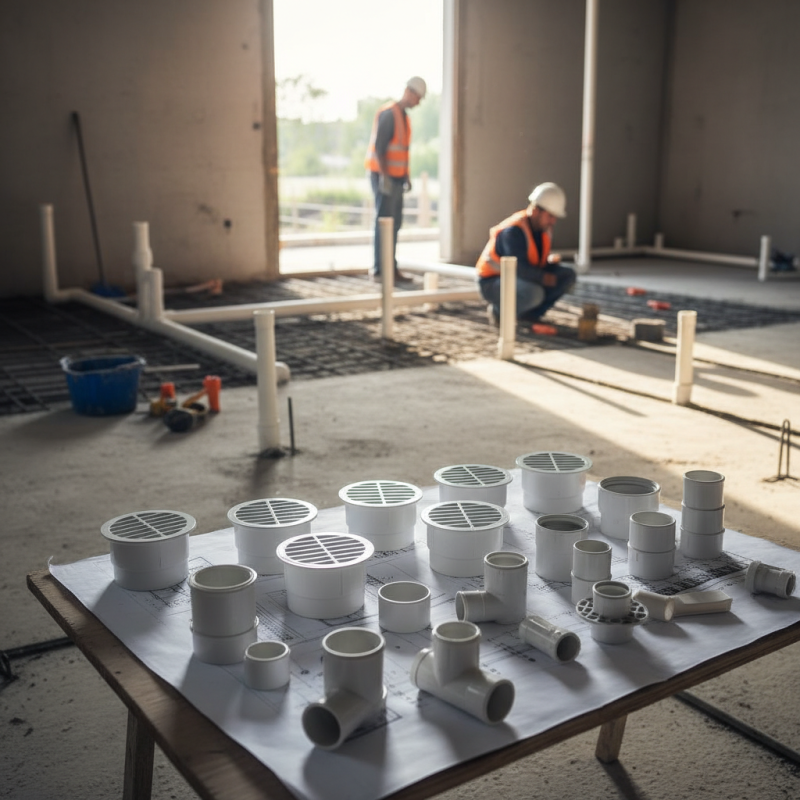
Benefits of Using PVC Floor Drains in Construction Projects
When considering floor drains for construction projects, PVC drains offer distinct advantages. They are lightweight, making them easy to install. According to a report by the American Society of Plumbing Engineers, over 70% of plumbing professionals prefer using PVC due to its durability and resistance to corrosion. This durability translates into a longer lifespan, reducing maintenance costs significantly.
Cost efficiency is another key benefit. Data from industry research shows that PVC floor drains can be up to 30% cheaper than traditional materials. This makes them an attractive choice for budget-conscious projects. However, it's essential to balance cost with quality. Not all PVC products perform equally, and selecting inferior options can lead to future issues.
Moreover, PVC's non-toxic properties are crucial for safety in construction. As per environmental studies, using PVC can minimize harmful emissions during installation. It contributes to a healthier environment over time. Still, it’s important to ensure that proper installation practices are followed to avoid potential flaws. Professionals often need to reflect on their choices, as improper installation can negate these benefits.
Durability and Longevity of PVC Floor Drains
When considering drainage solutions for construction projects, the durability and longevity of PVC floor drains stand out. Evidence suggests that PVC drains can last over 50 years when installed properly. Unlike metal, PVC resists rust and corrosion, making it ideal for high-moisture areas. Reports indicate that more than 90% of professionals prefer PVC for areas prone to frequent cleaning and exposure to chemicals.
The lightweight nature of PVC also eases installation. Data shows that contractors save up to 30% on labor costs due to faster installations. Despite its advantages, some may express concerns about its structural integrity under heavy loads. However, studies reveal that modern PVC formulations can handle significant stress without cracking.
Long-term performance is another factor worth noting. A recent survey found that nearly 80% of building managers reported fewer maintenance issues with PVC drains compared to traditional materials. Their longevity contributes to reduced replacement costs over time. While PVC is affordable upfront, its value emerges through time-saving and fewer repairs, illustrating a balance between initial cost and long-term benefits.
These insights underline the importance of choosing the right material for your projects.
Cost-Effectiveness of PVC Floor Drain Installation
When considering floor drains for construction projects, cost-effectiveness is key. PVC floor drains stand out for their affordability and durability. They resist rust and corrosion, making them a wise long-term investment. This means lower maintenance costs and less frequent replacements. By choosing PVC, contractors can enhance the overall financial efficiency of their projects.
Tip: Always evaluate the long-term savings against initial costs. Sometimes, choosing a more expensive option can save money later due to durability.
In addition to cost savings, PVC floor drains simplify installation. They are lightweight and easy to work with, reducing labor costs. This feature is particularly beneficial during the construction phase when time is crucial. However, it's essential to be cautious with the fitting connections. Inadequate installations can lead to leaks or drainage issues over time.
Tip: Invest time in proper installation. A small error can lead to significant problems down the line. Consider consulting with professionals for best practices.
Design Flexibility and Aesthetics of PVC Floor Drains
PVC floor drains are gaining popularity in construction due to their design flexibility and aesthetic appeal. These drains come in various shapes, sizes, and colors, allowing for creative integration into different architectural styles. According to recent industry reports, 75% of design professionals appreciate the adaptability of PVC drains in improving overall project aesthetics.
The lightweight nature of PVC also simplifies installation, reducing labor costs. Some studies indicate that using PVC can decrease installation time by up to 30%. This efficiency allows architects and contractors to focus on innovative designs, experimenting with drainage solutions that blend seamlessly into the environment. However, this versatility can lead to pitfalls. If not assessed properly, over-customization might compromise functionality or maintenance.
Durability is another key feature. PVC drains are resistant to corrosion, making them ideal for harsh environments. Yet, the long-term impact on visual appeal can change based on exposure to UV light or harsh chemicals. Some builders report challenges, such as discoloration over time. Therefore, while PVC offers adaptability, careful consideration is needed to balance aesthetics with longevity and performance.
Environmental Considerations for Choosing PVC Floor Drains
When considering floor drains for construction projects, PVC stands out for its environmental benefits. PVC is a lightweight material that reduces transportation emissions. Its durability minimizes waste during installation and over its lifecycle. Fewer replacements mean lower material usage and less landfill contribution.
Another key aspect is the lifecycle impact of PVC. Although initial production may require energy, its longevity leads to reduced environmental strain over time. Many PVC products are recyclable at the end of their life, offering an eco-friendlier option compared to alternative materials. Yet, it is crucial to ensure proper recycling facilities are available in your area.
Making environmentally conscious choices is not always straightforward. Investigating the sourcing of PVC can reveal varying environmental impacts. Evaluating the supply chain transparency is essential. While PVC offers great benefits, it's important to remain critical of its entire lifecycle. This reflection can elevate your construction project's sustainability goals.