How to Control Tire Pressure for Optimal Performance?
Tire pressure can significantly impact vehicle performance and safety. Many motorists overlook this crucial aspect. According to John Thompson, an industry expert in tire management, "To control tire pressure effectively is to ensure safety and performance." Understanding how to regularly monitor and maintain appropriate tire pressure is essential for every driver.
Maintaining the right tire pressure enhances fuel efficiency and improves handling. Low pressure can lead to tire wear and reduced traction. Often, drivers forget to check their tires, leading to potential risks. The pressure should be consistently evaluated, considering temperature changes and driving conditions.
It's easy to make mistakes when controlling tire pressure. Some might assume that all tires are the same. This misconception can lead to improper inflation. Engage in regular checks and become familiar with the specific pressure requirements for your tires. Ignoring this can affect performance and safety over time.
Understanding the Importance of Proper Tire Pressure for Performance
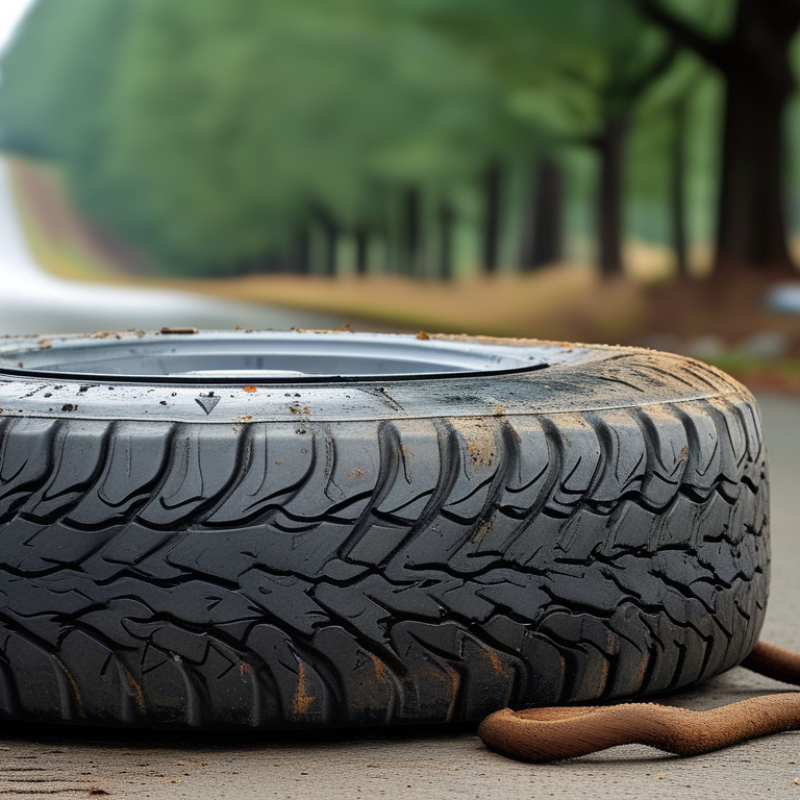
Proper tire pressure is crucial for vehicle performance. Under-inflated tires increase rolling resistance, leading to poor fuel efficiency and uneven tire wear. Over-inflated tires can result in a harsher ride and reduced grip. Finding the right balance is essential for safety and comfort.
Many drivers overlook tire maintenance. A simple pressure check can make a big difference. Tires naturally lose air over time. Regularly checking pressure can help catch issues early. The recommended pressure is often listed on the driver's door jamb. Using a reliable gauge can ensure accuracy.
Ignoring tire pressure can lead to costly repairs. Uneven wear might force premature tire replacement. This is a waste of resources and money. Taking the time to monitor tire pressure may seem tedious, but it enhances overall performance. Reflecting on tire habits could improve your driving experience. Reliable performance starts with small but crucial details.
Recommended Tire Pressure Settings from Major Tire Manufacturers
Tire pressure plays a critical role in vehicle performance, safety, and fuel efficiency. According to industry data, maintaining the recommended tire pressure can enhance fuel economy by 3% to 4%. Many major tire manufacturers suggest specific tire pressure settings which can vary depending on vehicle type and load. For example, sedans may typically require around 32-35 PSI, while SUVs could need 30-33 PSI for optimal performance.
To ensure your tires are properly inflated, conduct regular pressure checks. It is recommended to check tire pressure at least once a month and before long trips. During fluctuating temperatures, pressure can drop. Therefore, in colder months, tires might require additional air. Overinflating can also lead to a harsh ride and uneven wear.
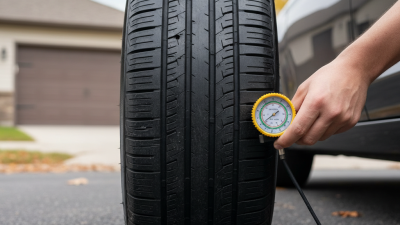
Tips: Always use a reliable tire pressure gauge for accuracy. Some gauges can be off by a few PSI, leading to unintentional under or over-inflation. Remember to check tire pressure when tires are cold; this provides the most accurate reading. If you're unsure about proper tire pressure settings, refer to your vehicle’s owner manual, which outlines the correct specifications based on manufacturer recommendations.
Tools and Techniques for Accurately Measuring Tire Pressure
Maintaining optimal tire pressure is essential for vehicle performance. Accurate measurements are crucial. Using a reliable tire pressure gauge is a good start. Digital gauges often provide more precise readings than manual ones. A study from the American Automobile Association notes that under-inflated tires can decrease fuel efficiency by up to 3%. Regular checks can save money and enhance safety.
Tips: Check tire pressure at least once a month. Always measure when the tires are cold. Temperature changes can affect measurements significantly.
In addition to gauges, consider using tire pressure monitoring systems (TPMS). These systems alert you to low pressure in real-time. However, they should not replace manual checks. According to the National Highway Traffic Safety Administration, proper inflation can extend tire life by 25%. This means less frequent replacements and better performance on the road.
Tips: Familiarize yourself with the recommended tire pressure for your vehicle. It’s often listed in the owner’s manual and on the driver’s side door frame. Adjust pressure as needed to ensure optimal handling.
Optimal Tire Pressure Levels vs. Performance Metrics
This chart illustrates the relationship between tire pressure levels (in PSI) and the resulting performance metrics such as fuel efficiency (MPG) and tread wear (mm). Maintaining optimal tire pressure can significantly enhance vehicle performance.
Impact of Tire Pressure on Fuel Efficiency and Tread Life
Maintaining proper tire pressure is crucial for vehicle performance. Tire pressure directly affects fuel efficiency. When tires are under-inflated, they create more rolling resistance. This increases fuel consumption and can lead to excessive wear. In contrast, over-inflated tires can cause a harsh ride and uneven tread wear. Striking the right balance is essential.
Tread life is also influenced by tire pressure. Properly inflated tires provide even contact with the road. This reduces wear on the tire edges. Conversely, low or high pressure can lead to premature deterioration. A careful inspection of tire pressure should be part of regular vehicle maintenance. Drivers often overlook this simple task. Ignoring tire pressure can result in costly replacements.
Many drivers assume tire pressure is just a minor detail. This misconception can have significant consequences. A slight adjustment in pressure can enhance fuel efficiency and extend tread life. It is worth checking tire pressure monthly. Use a reliable gauge for accurate readings. Small efforts lead to long-term savings. Emphasizing this routine can improve safety and reliability on the road.
Common Myths and Misconceptions About Tire Pressure Management
Tire pressure often confuses many drivers. A common myth is that tire pressure needs to be checked only when tires look flat. In fact, tires can lose air gradually, making them underinflated without visible signs. According to the National Highway Traffic Safety Administration (NHTSA), driving on underinflated tires can reduce fuel efficiency by 0.4% for every 1 PSI drop in pressure. This means a small oversight can lead to larger costs.
Another misconception is that overinflating tires improves performance. However, overinflation can lead to uneven tread wear and potential blowouts. The Tire Industry Association states that tires should be inflated according to manufacturer specifications, which considers vehicle weight and intended use. Maintaining the right pressure enhances grip, extends tire life, and promotes safety. Misjudging air pressure is risky. Many drivers believe they can “feel” the correct pressure. This belief is not reliable. Checking tire pressure regularly remains critical for optimal vehicle performance.
Finally, seasonal changes can affect tire pressure. Colder weather often reduces tire pressure by 1 PSI for every 10°F drop in temperature. Ignoring this can affect handling and safety. Regular inflation checks, especially before long trips, are essential to avoid surprises on the road.
How to Control Tire Pressure for Optimal Performance?
| Myth/Misconception |
Fact |
Impact on Performance |
| Higher PSI means better fuel efficiency. |
Optimal PSI is manufacturer-specified; too high can reduce grip. |
May lead to increased braking distances and less control. |
| Tires don’t need checking in winter. |
Cold weather can decrease tire pressure. |
Can lead to decreased traction on icy roads. |
| All tires are the same when it comes to pressure. |
Different vehicles and tire types require specific pressures. |
Using incorrect pressure can accelerate tire wear. |
| You only need to check pressures when the tires look flat. |
Pressure can drop without visible signs of deflation. |
Ignoring pressure can lead to blowouts and reduced safety. |
| Tire pressure doesn't change with load. |
Increased load requires adjusted tire pressure. |
Incorrect pressure under load can cause tire damage. |