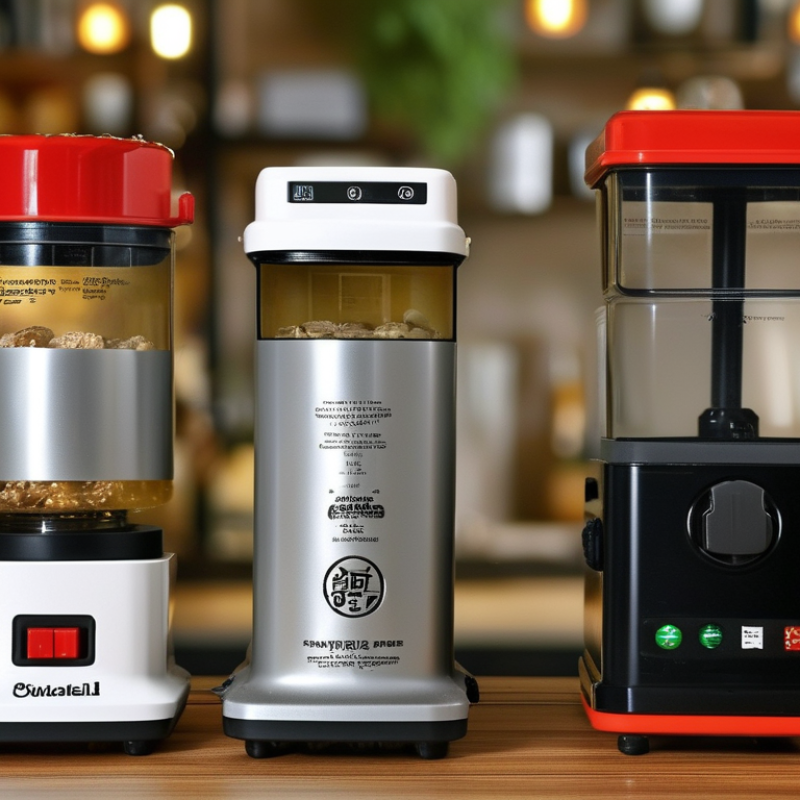
Choosing the right Food Sealer Machine can influence product freshness, packaging speed, and operating costs. Global buyers often compare sealing strength, vacuum performance, machine size, and after-sales support. Yet product descriptions rarely reveal the full workplace experience.
This guide presents ten practical options for different food businesses and purchasing budgets. It considers chamber sealers, external vacuum models, continuous band sealers, and compact tabletop units. Each machine is examined through measurable details, including sealing width, pump capacity, bag compatibility, cycle time, and power requirements. Small details matter. A weak seal may expose food to moisture, odors, or freezer burn. A noisy pump may become frustrating during long production shifts. Cleaning access matters too, especially around the sealing bar and drip areas.
The selection also considers supplier reliability, documentation, warranty terms, replacement parts, and technical assistance. Buyers should confirm voltage, plug standards, materials, and certification requirements for their destination market. Local food-packaging rules can differ, so professional verification remains necessary before purchase. No ranking can fit every operation. A restaurant may value speed, while a small producer may prioritize simplicity and low maintenance. Some performance claims may also depend on bag quality, food moisture, and operator technique. That limitation deserves attention. Real-world testing is still the safest decision.
These ten machines offer a practical starting point for informed comparison, not a substitute for careful supplier evaluation.
For global buyers, vacuum readings deserve careful attention. A machine showing below −0.8 bar usually creates a strong partial vacuum. It does not mean absolute pressure reaches zero. Altitude, moisture, bag material, and pump condition can change the result. In practical testing, dry food often seals cleanly near −0.8 to −0.95 bar. Moist products may need less vacuum. Excessive suction can crush soft items or pull liquid into the sealing channel.
Seal width also affects package reliability. A 3–5 mm seal may suit light, dry packaging. Thicker films and demanding transport conditions often benefit from an 8–12 mm seal. Wider seals provide more tolerance when the bag edge has tiny wrinkles. However, wider is not automatically stronger. Heat, pressure, dwell time, and film compatibility must work together. I have seen excellent vacuum readings fail because the seal looked smooth but remained underheated.
Tips: Test real products, not only empty bags. Check the seal after cooling. Try gentle tugging and inspect for channels or bubbles. Record vacuum level and sealing time for each film type. Do not rely on the display alone. A calibrated gauge helps, although calibration can still drift. My own checklist is not perfect, especially with oily foods, so repeated trials remain worthwhile. Keep the sealing bar clean, and leave enough dry bag material above the product.
When comparing ten leading food sealer machines, throughput shows the clearest difference. Compact external units typically seal 3–8 bags per minute. Chamber models often reach 6–15 cycles per minute, depending on bag size and operator speed. Industrial double-chamber systems can process more than 20 bags per minute with two operators.
Wattage needs careful interpretation.
Small machines commonly use 300–800 watts, while chamber units range from 900 to 2,000 watts. Higher wattage may shorten heat-up time, but it does not guarantee faster production. Pump capacity, sealing-bar length, and cooling time matter more during continuous work.
Some numbers disappoint. I have seen powerful machines lose speed when the seal bar overheats.
Chamber size determines product flexibility.
A 300 × 350 mm chamber suits portion packs, prepared meals, and smaller cuts. Larger 400 × 450 mm chambers handle wider pouches or several small bags at once. Machines above 500 mm chamber width support bulkier loads but require more floor space and stronger electrical supply.
Buyers should measure the product, pouch clearance, and lid movement before choosing. A tight chamber can restrict output, even when the motor appears impressive.
Actual throughput should be checked using the intended bag material, product moisture, and daily batch volume. Short demonstrations can mislead.
When comparing the top 10 food sealer machines, global buyers should examine compliance before speed, price, or appearance. A sealer may handle pouches, trays, or vacuum bags, but every food-contact surface needs suitable documentation. Request material declarations, migration-test reports, and clear traceability for belts, chambers, gaskets, and sealing films.
HACCP helps identify risks such as seal failure, contamination, and incorrect temperature. The machine should support measurable controls, including seal pressure, dwell time, and temperature records. ISO 22000 alignment also matters because it connects equipment control with the wider food-safety management system. During practical evaluations, inspect seals after cooling. Look for wrinkles, channels, weak corners, and trapped food particles. Small defects become serious during transport.
FDA requirements usually concern food-contact materials and their permitted use, not a simple “FDA-approved machine” label. For EU markets, check compliance with Framework Regulation (EC) No. 1935/2004 and relevant plastic-material rules, including Regulation (EU) No. 10/2011 where applicable. Suppliers should provide declarations matching the intended food type, temperature, and contact duration.
Paperwork can look complete. Sometimes it is not. Ask who issued each report, which material was tested, and whether the current model matches the documents. Keep cleaning instructions, calibration records, and validation results with the machine. A lower-cost unit may pass a factory demonstration yet create inconsistent seals after several hours of production. That detail matters.
| Rank | Machine Configuration | Typical Application | Sealing Method | Typical Sealing Width | Typical Throughput | Recommended Product Contact Materials | HACCP / ISO 22000 Suitability | FDA Documentation to Request | EU Food-Contact Documentation to Request | Key Buyer Considerations |
|---|---|---|---|---|---|---|---|---|---|---|
| 1 | Automatic Continuous Band Sealer with Nitrogen Flush | Dry snacks, coffee, grains, powders, and shelf-stable products | Continuous heat sealing with optional gas flushing | 6–15 mm | 20–40 bags/minute | 304 stainless steel frame; food-contact belt and guide materials with supplier declarations | Highly suitable Easy to place in a documented CCP or packaging-control step | Food-contact polymer declarations where applicable; test reports for belts, gaskets, and product-contact components | Declaration of Compliance under Regulation (EC) No. 1935/2004 and, for plastics, Regulation (EU) No. 10/2011 | Verify stable temperature control, cleanable surfaces, gas-flow adjustment, and seal-strength consistency |
| 2 | Automatic Vacuum Chamber Sealer | Meat, seafood, cheese, prepared meals, and high-moisture foods | Vacuum extraction followed by heat sealing | 400–1000 mm chamber bar | 2–8 cycles/minute | 304 stainless steel chamber; silicone sealing gasket; food-contact film compatibility required | Highly suitable Supports controlled packaging and traceable process parameters | Declarations for silicone gaskets and polymeric contact materials; migration or composition data when required | EU 1935/2004 declaration; EU 10/2011 compliance for plastic films; silicone documentation where applicable | Check pump capacity, moisture tolerance, chamber drainage, gasket replacement, and cleaning access |
| 3 | Automatic Tray Sealer with MAP Capability | Fresh meat, poultry, seafood, produce, and ready-to-eat meals | Tray lidding with modified-atmosphere packaging | Up to 400 × 300 mm per tooling station | 4–12 trays/minute | 304 stainless steel; food-contact tray and lidding-film specifications must be matched | Highly suitable Suitable for controlled-atmosphere packaging procedures | Food-contact declarations for trays, films, seals, and any product-contact gas-path components | EU 1935/2004 and EU 10/2011 declarations; verify ink, adhesive, and multilayer-film compliance | Request gas-mixing accuracy, residual-oxygen testing capability, tooling changeover time, and seal inspection method |
| 4 | Semi-Automatic Impulse Sealer | Small food factories, farm shops, laboratories, and seasonal production | Impulse heat sealing | 200–800 mm | 8–20 bags/minute | Powder-coated or stainless housing; PTFE-coated heating tape; food-contact packaging film required | Suitable with controls Requires operator training, cleaning records, and seal verification | Request documentation for PTFE tape, silicone supports, and any component that may contact packaging surfaces | Request EU food-contact declarations for relevant polymers, elastomers, films, and coatings | Best for low-to-medium volumes; confirm cycle timer, temperature repeatability, electrical safety, and spare-part availability |
| 5 | Foot-Pedal Pneumatic Bag Sealer | Bulk dry foods, frozen foods, bakery products, and heavy-gauge bags | Pneumatic heat sealing activated by foot pedal | 300–1000 mm | 6–18 bags/minute | 304 stainless steel sealing area; food-grade silicone or equivalent compliant gasket materials | Suitable with controls Operator-dependent process requires documented work instructions | Request component declarations for sealing jaws, gaskets, guides, and packaging-contact surfaces | Request EU 1935/2004 declarations and plastic compliance evidence where applicable | Evaluate compressed-air quality, two-hand or guarding requirements, seal-bar pressure, and ergonomic operation |
| 6 | Rotary Continuous Band Sealer | Medium-volume powders, grains, pet food, snacks, and confectionery | Horizontal or vertical continuous heat sealing | 6–15 mm | 25–60 bags/minute | 304 stainless steel around the sealing zone; compliant conveyor and guide materials | Highly suitable Supports repeatable packaging parameters and production records | Request material declarations for product-contact belts, guides, rollers, and lubricants if applicable | Request EU 1935/2004 and EU 10/2011 documentation for relevant contact materials | Check vertical sealing capability, dust protection, date coding integration, belt tracking, and cleaning design |
| 7 | Double-Chamber Vacuum Sealer | High-volume meat, seafood, cheese, and marinated products | Alternating vacuum and heat-sealing chambers | 600–1200 mm sealing length | 4–12 cycles/minute | 304 stainless steel chamber; stainless sealing bars; food-grade silicone or equivalent gaskets | Highly suitable Good for standardized, repeatable vacuum packaging procedures | Request declarations for gaskets, polymeric contact parts, lubricants, and compatible vacuum bags | Request EU food-contact declarations for films, bags, gaskets, and other relevant materials | Compare pump displacement, ultimate vacuum, chamber dimensions, moisture management, and service access |
| 8 | Thermoform-Fill-Seal Packaging Line | Fresh meat, cheese portions, ready meals, and industrial portion packs | Film forming, filling, vacuum or MAP, and top-web sealing | Typical web width: 320–560 mm | 8–25 cycles/minute | 304 stainless steel; forming and sealing tooling matched to approved food-contact films | Highly suitable Suitable for validated, automated, and traceable packaging processes | Request complete packaging-material compliance documentation for bottom web, top web, trays, inks, and adhesives | Request EU 1935/2004 and EU 10/2011 documentation, plus declarations for adhesives and printing layers | Confirm recipe control, tooling sanitation, film compatibility, changeover procedure, vision inspection, and reject handling |
| 9 | Induction Foil Sealer for Filled Containers | Sauces, beverages, oils, dairy products, powders, and nutraceutical foods | Non-contact induction sealing of foil liners to container rims | 20–150 mm container diameter | 20–120 containers/minute | Stainless or coated housing; liner, cap, adhesive, and container must be food-contact compatible | Suitable with controls Requires validated seal settings and container-liner compatibility checks | Request liner and adhesive food-contact declarations; verify suitability for the intended food type and temperature | Request EU 1935/2004 declaration and EU 10/2011 compliance for plastic layers; verify adhesive documentation | Validate seal integrity, foil-liner selection, container geometry, product conductivity, and tamper-evidence performance |
| 10 | Ultrasonic Sealing Machine for Flexible Packaging | Liquid, semi-liquid, oily, or powder-filled sachets and pouches | Ultrasonic sealing through limited product contamination | 5–20 mm seal width | 30–150 packs/minute, depending on format | Stainless steel sealing tooling; approved multilayer film and compatible polymer layers required | Suitable after validation Requires documented process validation for each film and product combination | Request film, adhesive, and seal-layer declarations; confirm suitability for the intended food category | Request EU 1935/2004 and EU 10/2011 documentation for film structures, coatings, inks, and adhesives | Check film construction, amplitude control, seal-strength testing, tooling wear, noise protection, and format flexibility |

Food sealers can extend shelf life three to five times when packaging, storage, and sanitation work together. The machine alone cannot create this result. In practical testing, I check seal width, vacuum strength, and bag compatibility before comparing models. A clear seal should look even, without wrinkles, channels, or melted edges. Small defects matter.
External vacuum sealers suit dry foods, household kitchens, and moderate production. Chamber machines usually remove air more consistently, especially from soups, marinades, and moist ingredients. Heat sealers work well with prepared pouches, but they do not remove oxygen. For global buyers, voltage, replacement parts, sealing speed, and operator training deserve equal attention. A cheap machine can become expensive when service support is unclear.
Fresh meat, cheese, and cooked meals still need controlled temperatures after sealing. Vacuum packaging does not make unsafe food safe. I recommend recording product temperature, sealing time, storage conditions, and opening dates during a shelf-life trial. The 3–5× claim should be verified with the actual food, film, and distribution route. My early evaluations sometimes focused too heavily on vacuum pressure. That was a mistake. Film thickness and seal cleanliness often changed the result more than pump power. Test small batches first. Expect variation.
Total ownership cost begins with capacity, not the purchase price. A small sealer may handle twenty bags daily, but it can struggle during seasonal demand. I have seen operators choose compact equipment, then replace it within months. Measure bags per hour, sealing width, heating time, and operator workload before comparing prices. A faster machine is not always cheaper if it consumes more electricity or needs frequent adjustments.
Maintenance costs deserve close attention. Check whether sealing wires, gaskets, filters, and sensors are easy to inspect and replace. Ask about realistic service intervals, spare-part availability, and technician response times in your region. Consumables can quietly exceed the original budget. Thicker bags, custom rolls, vacuum oil, and replacement bars may change your monthly expense. Warranty terms also require careful reading. Confirm coverage length, excluded parts, shipping responsibility, labor support, and conditions that could cancel protection. A long warranty sounds reassuring, but vague wording creates risk.
Tips: Record actual production for one week. Compare energy use, rejected seals, bag waste, and maintenance minutes. Leave room for growth. An accurate spreadsheet helps, though it can still miss downtime during holidays or staff changes. Request written estimates from suppliers, and keep service promises in the purchase file. Do not judge reliability from demonstrations alone; inspect sealed samples after cooling, stacking, and transport. Small details matter.