Why Choose Dill TPMS for Global Tire Safety?
Why Choose Dill TPMS for Global Tire Safety?
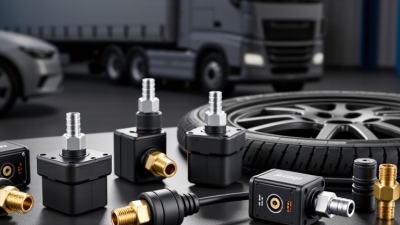
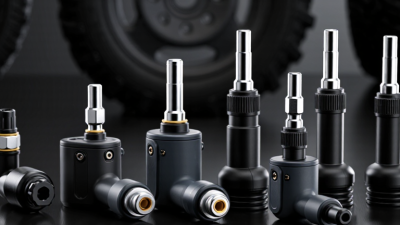
Tire pressure changes quietly with temperature, load, altitude, and slow punctures. A reliable monitoring system can reveal that risk before a driver feels it. Dill TPMS supports this need with sensor coverage, valve compatibility, and practical service procedures for many vehicle applications. Tom Dill, a recognized figure associated with Dill TPMS, has emphasized, “Accurate tire-pressure information gives drivers a safer starting point for every journey.” That principle remains simple, but its execution requires care.
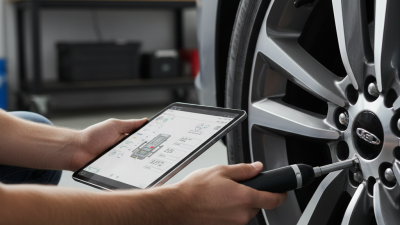
A quality sensor is only one part of the safety chain. Technicians must confirm the correct application, install the valve securely, program the sensor, and complete the vehicle relearn process. They should also verify cold inflation pressure with a calibrated gauge. Small details matter. A missing relearn step can leave a warning system inactive, even when the sensor appears new. Dill TPMS products can help workshops build consistent procedures across passenger cars, commercial vehicles, and replacement tire services. Regional vehicle specifications still differ, so professional verification remains essential.
Global safety is not created by hardware alone. It depends on clear instructions, trained installers, reliable aftermarket support, and regular driver checks. Dill TPMS offers a practical foundation, though no product removes every maintenance risk. That limitation deserves attention. Choosing the right sensor, fitting it correctly, and reviewing pressure regularly can reduce preventable tire-related danger across changing roads and climates.
Dill TPMS: Definition, Purpose, and Core Components
A tire-pressure monitoring system, or TPMS, measures inflation pressure and warns when pressure drops below a calibrated threshold. Its purpose is practical: maintain tire contact, braking stability, and durability while reducing avoidable roadside failures. NHTSA’s evaluation reported a 55.6% reduction in underinflation-related crashes among vehicles equipped with TPMS. That finding gives the technology weight, although it cannot replace physical inspection. Pressure changes quietly. Cold mornings expose them.
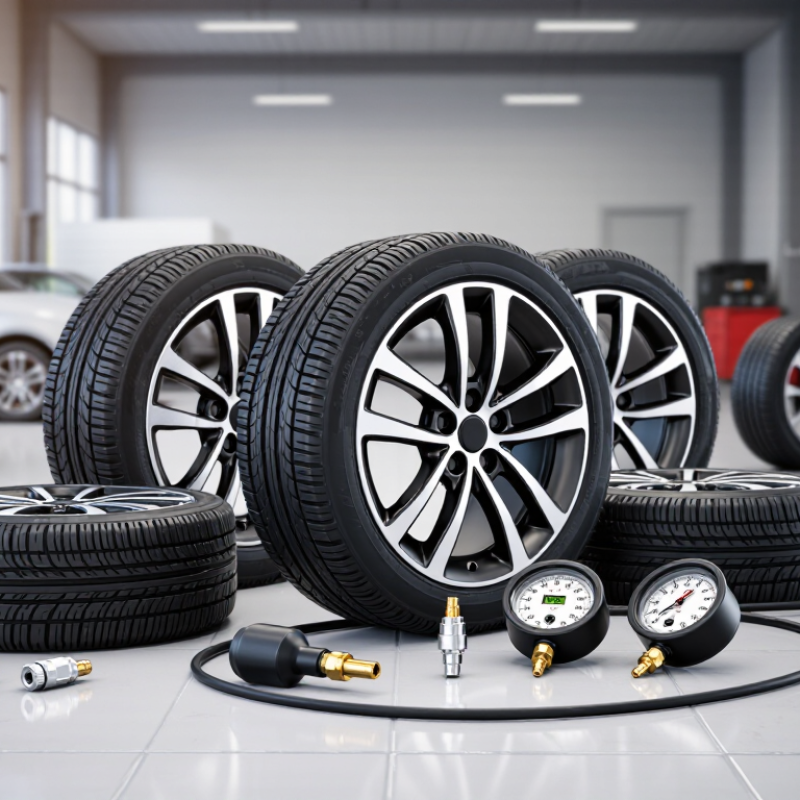
A complete TPMS includes pressure sensors, valve stems, batteries, a receiver, control software, and a dashboard warning lamp. Direct sensors measure pressure inside each tire. Indirect systems infer changes through wheel-speed data. Sensor accuracy matters when drivers carry heavy loads or travel at highway speeds. The European Tyre and Rim Technical Organisation links inflation pressure with load capacity, handling, and rolling resistance. Small errors may appear as shoulder wear, longer stopping distances, or uneven steering. The U.S. Department of Energy reports that each 1 psi loss can reduce fuel economy by about 0.2%. That figure should not be oversold; weather, alignment, driving style, and tire condition also matter. Batteries age. Signals can fail. Regular pressure checks and careful sensor replacement remain essential after wheel service.
How Dill TPMS Detects and Reports Tire Pressure Changes
Why Choose Dill TPMS for Global Tire Safety?
How Dill TPMS Detects and Reports Tire Pressure Changes
A tire pressure monitoring system uses sensors to measure pressure and temperature inside each tire. These sensors send readings to a receiver while the vehicle is moving. The system compares current pressure with programmed safety thresholds. When pressure drops, the dashboard warning can appear before handling becomes noticeably different. In practical driving, this matters most during cold mornings, long highway trips, and heavy loading. A small pressure change may feel harmless. It may not be.
Direct sensors can identify pressure changes in individual tires and report their locations. Many systems also recognize rapid air loss, which may indicate puncture damage. Temperature data adds useful context because air pressure changes as tires heat during driving. The warning system is helpful, but it is not flawless. Sensor batteries age, readings may require calibration, and a warning should never replace a physical inspection. I have found that drivers often trust the display too much. That habit deserves reconsideration.
Tips: Check tire pressure when tires are cold. Compare readings with the vehicle manufacturer’s recommended values. Inspect valve stems, tread surfaces, and sidewalls during routine checks. After rotating or replacing tires, confirm that each sensor matches its wheel position. Keep a reliable pressure gauge nearby. Technology supports safer decisions, but careful observation still matters.
Safety Benefits of Dill TPMS for Drivers and Fleets
For drivers and fleet managers, tire pressure is a safety issue that changes throughout the day. A reliable TPMS monitors pressure and temperature while vehicles are moving. On a cold morning, a tire may show a warning before the driver notices steering changes. That early signal can help prevent underinflation, uneven tread wear, and longer braking distances.
Practical fleet checks show how useful this information can be. A delivery van returning with one tire below its recommended pressure deserves immediate attention. The driver can stop safely, inspect the tire, and arrange a proper repair. Fleet teams can also review recurring alerts and identify slow leaks before they become roadside failures. Small details matter.
TPMS is helpful, but it is not perfect. Sensors may need calibration, battery replacement, or visual confirmation with a pressure gauge. A warning system cannot detect every sidewall cut or tread problem. Drivers still need to inspect tires before long trips, especially when carrying heavy loads. That extra step may feel inconvenient. It can also reveal damage that electronic monitoring misses. For mixed fleets, clear alerts and dependable sensor readings support more consistent maintenance decisions, even when weather, routes, and driving habits change.
Why Choose TPMS for Global Tire Safety?
Tire Pressure Monitoring Systems help drivers and fleet managers identify underinflation before it becomes a visible tire problem. The chart shows the calculated warning pressure at 25% below the vehicle placard pressure, matching the warning criterion defined by U.S. FMVSS No. 138 for applicable vehicles.
Values are calculated from representative placard pressures using: warning pressure = placard pressure × 75%. Actual vehicle placard pressures vary. Maintaining correct tire pressure supports handling, braking performance, tread life, and fuel efficiency.
Selecting, Installing, and Maintaining a Dill TPMS System
Choosing a reliable tire pressure monitoring system begins with vehicle compatibility. Check the sensor type, frequency, valve design, and required relearn method. A correct fit matters more than a low purchase price.
Use the vehicle manual and current tire placard as your primary references. Set pressure when tires are cold, ideally before driving. During installation, inspect each valve stem for cracks, corrosion, or loose hardware. Tighten components with a calibrated torque tool. Guesswork can create leaks. After fitting the sensors, perform the vehicle’s relearn procedure and confirm every wheel appears on the dashboard. A short road test can reveal missing signals or warning delays.
Maintenance is simple, but it cannot be ignored. Check tire pressure monthly and before long trips. Compare the dashboard reading with a dependable handheld gauge. The readings may differ slightly, so investigate large changes rather than dismissing them. Rotate tires carefully and record each sensor’s position when required. Sensor batteries eventually weaken, often after several years, and cold weather can expose that weakness. Keep replacement records with the tire service history. I have found that rushed installations create more problems than failed sensors. Still, even careful work can miss a slow bead leak or damaged valve. Recheck when symptoms feel unusual. A warning light is useful, but it is not a substitute for inspecting tread, sidewalls, and pressure directly.