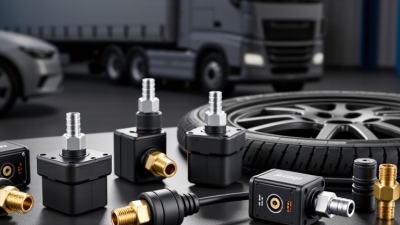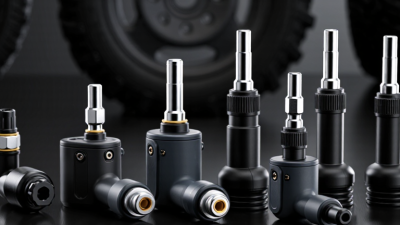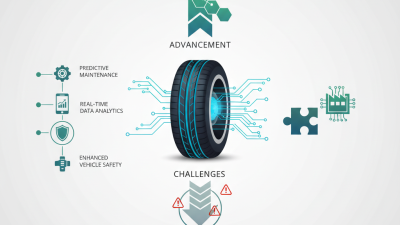
Choosing the right tire sensors is not simply a matter of matching tire size. The sensor must communicate correctly with your vehicle’s TPMS receiver. It must also fit the wheel, support the required pressure range, and withstand daily road conditions. A sensor that looks suitable on a workshop shelf may still fail after installation.
Gary Ganaway, a longtime Schrader TPMS specialist, puts the issue clearly: “The right sensor is the one that communicates correctly with the vehicle.” That principle deserves attention. Vehicle year, make, model, trim, and regional specifications can change sensor requirements. Some vehicles need programmable tire sensors. Others require an exact OE-style replacement. A small mismatch can trigger a warning light, create false readings, or prevent relearning.
Check the details.
My own practical approach begins with the vehicle identification number, service manual, and current sensor data. I also inspect the valve stem, seal, and corrosion around the wheel opening. These small details matter, especially after winter driving or repeated tire changes. However, no guide removes every uncertainty. Catalog information can be incomplete, and aftermarket compatibility claims are not always equally reliable.
A dependable choice should include verified vehicle coverage, correct frequency, proper protocol support, and clear programming instructions. Ask whether the sensor is ready to install or must be cloned. Confirm whether the vehicle needs an automatic relearn procedure. This article will examine these points carefully, helping drivers and technicians choose tire sensors with greater confidence and fewer expensive mistakes.

Choosing tire sensors begins with identifying your vehicle’s TPMS type. The warning light alone cannot always provide that answer.
A direct TPMS uses a small pressure sensor inside each wheel. It measures air pressure and often temperature in real time. The sensor usually sits behind the valve stem, secured inside the rim. A receiver sends this information to the dashboard. During tire service, the sensor can suffer damage from careless mounting tools. Its internal battery may also weaken after years of use. Some vehicles monitor the spare tire, but many do not. Check the vehicle handbook before purchasing replacements.
An indirect TPMS does not measure pressure directly. Instead, it studies wheel-speed changes through the anti-lock braking system. A tire with lower pressure has a smaller rolling circumference. It rotates slightly faster than the other tires. The system detects this difference and triggers a warning. It cannot normally display each tire’s exact pressure. After adjusting pressure or rotating tires, calibration may be required. This step is easy to overlook.
I have seen drivers replace sensors when simple recalibration was needed. That mistake wastes money. The valve stem appearance is not reliable evidence of a direct system. Confirm the design through the handbook, service records, or a professional diagnostic scan. When selecting a direct sensor, match the correct frequency, valve style, pressure range, and communication requirements. For an indirect system, focus on accurate tire pressure and proper calibration procedures. Temperature changes can also alter readings, especially on cold mornings. Even experienced owners can misread that warning.
Direct TPMS uses pressure sensors installed in the wheels, while indirect TPMS estimates pressure loss by analyzing differences in wheel speed through the vehicle’s ABS system.
Chart guide: 1 indicates that the capability is generally available; 0 indicates that it is generally not available. Vehicle designs can vary, so always confirm the TPMS type in the owner’s manual or service information.
Choosing the correct tire sensor starts with the vehicle’s market, not only its model year. In North America, 315 MHz is widely used. Europe commonly uses 433 MHz, often at 433.92 MHz. Several Asian markets also use 433 MHz, although Japan may require 315 MHz applications. These patterns are useful, but not absolute.
Frequency is only half the decision. The sensor must also match the vehicle’s communication protocol, identification format, valve design, and relearning method. A 433 MHz sensor may transmit successfully yet fail to register. That mistake is surprisingly common. Check the vehicle identification number, original sensor label, service database, and regional specification before ordering. Do not rely on appearance alone.
The safety value is measurable. A NHTSA evaluation reported that TPMS-equipped vehicles had 55.6% lower odds of severely underinflated tires. UNECE Regulation No. 64 also established TPMS requirements for many passenger vehicles in Europe. These references support careful replacement, but they do not eliminate workshop judgment. Some catalogs contain gaps. Older applications can be inconsistent. Record the old frequency and protocol, then confirm the new sensor after installation with a diagnostic tool. A short road test helps, but it is not a substitute for verification.
How to Choose the Right Tire Sensors for Your Vehicle
Selecting tire sensors requires more than checking valve-stem size. Confirm the sensor supports your vehicle’s year, model, wheel type, and communication system. A correct sensor should measure pressure accurately across changing temperatures and transmit data without repeated signal loss. Always compare the vehicle’s recommended cold inflation pressure with the sensor’s programmed settings. Guessing here can create an unsafe warning gap.
FMVSS 138 requires the tire pressure monitoring system to warn the driver when pressure reaches 25% below the recommended cold inflation pressure, subject to the standard’s specific conditions. This threshold is a warning point, not a driving target. For example, a tire recommended at 35 psi may need a warning near 26 psi. The actual result can vary with the vehicle and system design. A sensor that fits physically may still fail during calibration. That detail is easy to miss.
Tips: Check each sensor before installation. Verify its pressure range, battery condition, and identification code. After fitting, perform the required relearn procedure and inspect the dashboard warning light. Test pressure with a reliable gauge, preferably when tires are cold. Do not rely on the sensor alone. Temperature changes, slow punctures, and damaged valve components can affect readings. I have found that installation instructions sometimes seem obvious, yet small programming errors cause unnecessary warnings later. Record the final pressure readings and sensor positions for future service.
How to Choose the Right Tire Sensors for Your Vehicle
Compare OEM and Programmable Sensors: Typically 4–6 Years of Battery Life
Choosing a tire sensor involves more than matching the valve stem. OEM sensors usually provide direct compatibility with the vehicle’s control system. They often need less setup after installation. This can reduce programming mistakes during a tire service.
Programmable sensors offer broader coverage for workshops and drivers with different vehicles. However, they must be configured with accurate vehicle information. A technician may also need to complete a relearn procedure after installation. Skipping that step can leave the warning light active, even when tire pressure is correct.
Battery life deserves careful attention. Most sensors operate for approximately four to six years, depending on temperature, driving distance, and transmission frequency. Cold winters, heavy mileage, and long storage periods may shorten that range. The battery is normally sealed inside the sensor. Replacement is usually impractical.
I have seen older sensors fail shortly after new tires were installed. That timing can feel inconvenient, but the sensor may already have been near the end of its service life. Replacing aging sensors during tire work can prevent a second appointment. Still, I once underestimated the value of checking the vehicle’s exact sensor requirements. Compatibility charts and professional diagnostic tools matter. A lower purchase price is not always the lower-cost choice. Test each sensor before completing the job.
| Comparison Dimension | OEM-Style Sensor | Programmable Sensor | What to Check Before Purchase |
|---|---|---|---|
| Vehicle Compatibility | Designed for a specific vehicle application or a narrow range of compatible vehicles. | Can often be configured for multiple vehicle applications when the correct software and coverage are available. | Confirm the vehicle year, make, model, trim, wheel type, and TPMS frequency required by the vehicle. |
| Programming Requirement | Usually pre-configured May still require relearning to the vehicle after installation. |
Requires programming Must be configured with the correct vehicle protocol before installation or activation. |
Ask whether a TPMS programming tool is needed and whether the installer supports the sensor’s software coverage. |
| Vehicle Relearn | Often requires an automatic, stationary, or manual relearn procedure depending on the vehicle. | Usually requires the same relearn procedure as the equivalent original sensor after successful programming. | Check the vehicle service information for the required relearn method; programming and relearning are separate steps. |
| Battery Life | Typically about 4–6 years, depending on mileage, temperature, transmission activity, and sensor design. | Typically about 4–6 years when using a sealed internal battery of comparable quality and operating conditions. | Battery life is not normally replaceable; replace the complete sensor when the internal battery is depleted. |
| Valve-Stem Options | Available with vehicle-appropriate rubber snap-in or metal clamp-in valve assemblies. | May support interchangeable valve stems, but compatibility depends on the sensor housing and application. | Match the valve material, angle, hole size, wheel design, and specified tightening torque. |
| Installation Flexibility | Best suited to direct replacement when the original sensor specification is known. | Useful for workshops that service different vehicles and want one sensor platform covering several applications. | Verify that the programmed protocol and valve configuration match the exact wheel position and vehicle application. |
| Initial Setup Time | Generally shorter Less configuration may be needed before installation. |
Generally longer Includes sensor identification, software selection, and programming. |
Allow additional time for programming, testing, and completing the vehicle relearn procedure. |
| Replacement Convenience | Simple choice when the correct application-specific part is available. | Convenient when the correct application is supported and a compatible programming tool is available. | Choose based on local tool access, installer experience, and the availability of technical support. |
| Diagnostic Verification | Check sensor identification, pressure, temperature, and signal transmission after installation. | Check the programmed identification, pressure, temperature, signal transmission, and relearn status. | Use a suitable TPMS diagnostic tool and confirm that all installed sensors communicate correctly. |
| Best Choice For | Owners who prefer a direct, application-specific replacement and want minimal setup complexity. | Professional workshops, multi-vehicle households, or users who value broader application coverage. | Prioritize verified compatibility, correct programming, proper installation, and post-installation testing. |
| Important Limitation | Coverage may be limited to the specified vehicle applications. | Compatibility is not universal; incorrect programming or unsupported software coverage can prevent communication. | Do not select a sensor based only on physical appearance. Confirm electronic protocol and vehicle compatibility. |
Note: Actual service life and compatibility vary by vehicle, operating conditions, sensor construction, and maintenance practices. Always follow the vehicle manufacturer’s service information and the sensor manufacturer’s installation instructions.
Verify Fitment, Valve Compatibility, and Relearn Requirements Before Purchase
A tire sensor can look identical to another model and still fail after installation. Check your vehicle’s year, body style, engine option, and tire pressure system type. The registration details or VIN can narrow the search, but they are not always enough. Confirm the sensor frequency, pressure range, and approved application through a reliable parts catalog or service manual.
Valve compatibility deserves close attention. Some wheels use rubber snap-in valves, while others require metal clamp-in stems. Check the valve-hole size, stem angle, seal design, and nut torque specification. A mismatched gasket may cause a slow leak, even when the warning light disappears. Inspect the wheel before ordering. A photograph helps, but measuring the valve area is safer.
Do not overlook the relearn procedure. Some vehicles learn new sensor IDs during a short drive. Others need a scan tool or a specific stationary sequence. The vehicle may also require sensor programming before installation.
I once assumed an automatic relearn would work and wasted time checking a perfectly installed sensor. That mistake changed my process. I now confirm the procedure with the owner’s manual and a qualified technician.
Battery condition matters too. A weak sensor battery can create confusing readings soon after installation. Keep the old sensor information until the new system operates normally.